

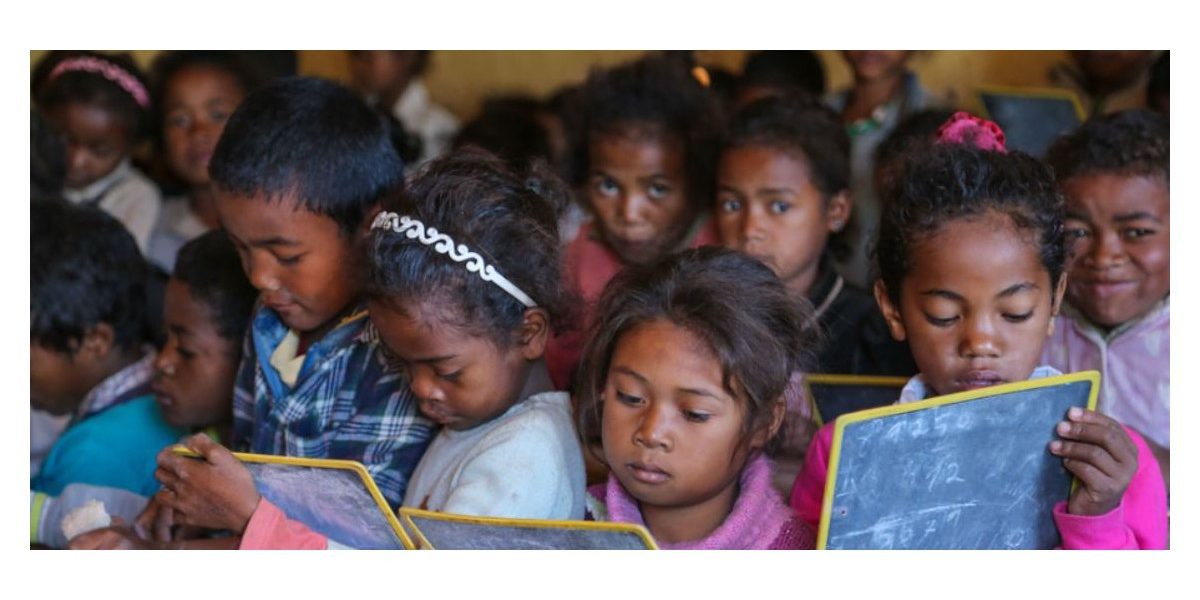
Over the past two decades, many developing countries have made remarkable progress in reducing poverty, expanding access to education and health care, and investing in infrastructure. These gains were the result of sound national policies and coordinated efforts by the international community, often financed through responsible borrowing.
But the road ahead looks more precarious. Debt vulnerabilities are rising: 54 percent of low-income countries are already in or at high risk of debt distress, and many are spending more on debt repayments than on education, health care, and infrastructure combined. Access to affordable financing is shrinking, and repeated external shocks, from commodity price swings to climate-driven…